

NF PROCUREMENT GUIDE
How to Specify Paper Rope for Retail and Gift Packaging
Specify paper rope diameter, finish, cut length and roll packing for retail packaging. Use an application sample and a clear RFQ before bulk ordering.
Specify paper rope around the finished package: the cord must fit the tag hole or attachment, produce an acceptable knot or decorative finish, and arrive in a format your packing team can use. Diameter and color are only part of that decision. This guide helps packaging buyers and importers define construction, finish, usable length and packing without assuming environmental, food-contact or load-bearing performance from the word paper.
Key Takeaways
- Identify the cord construction before comparing nominal diameter or photographs.
- Approve diameter, texture and color on the actual tag or finished package.
- Define cut length or usable roll length together with counting and packing requirements.
- Test the complete attachment when the cord performs a functional task; appearance alone is insufficient.
What Kind of Paper Rope Does the Package Need?
Start with the function: hanging a lightweight product tag, adding a decorative tie to a gift box, or bundling packaging components. These uses create different demands on stiffness, knot formation and attachment. Send an image of the completed design and explain how the cord is installed and later removed.
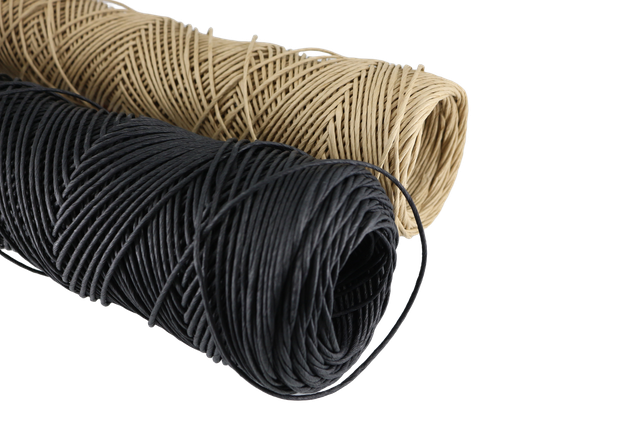
The paper rope product page describes paper cord rolls, with a catalog diameter range of 1.0–3.0 mm and black, white and natural kraft colors. The source listing for one single-strand kraft configuration shows 1.0, 1.5 and 1.8 mm options. Those selected listing sizes are not the complete catalog range, and neither list establishes every available configuration.
Confirm whether the requested product is plain paper cord, a multi-component cord or a wire-containing decorative tie. The manufacturer Lottini's paper twine page describes options with and without an iron core. That illustrates a terminology risk: similar paper appearances can hide different constructions. Identify every relevant component in your own specification.
Choose Diameter Against the Hole, Knot and Visual Scale
A nominal diameter is a starting point for sample selection, not proof that the cord will pass through every tag hole. Check the finished hole or eyelet, including any coating, folded layers or other material the cord must cross. If the cord passes through twice, trial that complete arrangement.
Agree how diameter is measured and what tolerance is acceptable. Paper cord can be a textured profile rather than a perfectly smooth cylinder. A measurement instruction should identify the instrument and contact method so the buyer and supplier are comparing the same condition. Do not impose a guessed tolerance simply because it looks precise on the purchase order.
Compare the tied sample against the package design. A visually heavier cord may dominate a small tag or require a different hole. A fine cord may look right but be awkward for the intended knotting process. Ask the packing operator to thread and secure the actual assembly before approving it.
For an attachment that carries weight, define the functional requirement and review the complete package with the responsible designer. A larger diameter alone does not establish an acceptable carrying load. The tag, adhesive, knot or bag attachment may also determine the result.
Specify Finish and Color With a Physical Reference
Use an approved physical sample to communicate texture, twist appearance and hand feel. Terms such as natural, rustic or premium can mean different things to different teams. Photographs are useful for identifying the desired design, but lighting and camera settings can change the apparent shade and gloss.
The catalog permits a Pantone reference or customer sample for a color discussion. Confirm which reference system is intended and how acceptance will be judged on the actual paper surface. A reference number should not be treated as a guarantee of an exact visual match on every substrate.
Approve the cord beside the printed tag, box and other visible packaging. Agree whether the supplier should check loose cord, a wound roll or the finished knot, because each presents color and texture differently. Keep an identifiable reference for future orders and record the acceptable variation rather than relying on memory.
Include a proposed check for color transfer or surface marking where the cord contacts a light-colored or delicate pack. Define representative contact and handling conditions before testing. This is a sample-evaluation recommendation, not a claim that a particular paper cord has passed a transfer test.
Cut Length or Roll Supply: Define the Usable Quantity
Determine the working length with a sample of the finished knot or attachment. Measure the cord before assembly and record the acceptable tails afterward. A measured wrap around the box is not the full cutting length when the design also needs knots, loops or handling allowance.
Roll supply lets a packing team change lengths as designs vary, but it also creates a cutting and counting task. Discuss pre-cut supply as a quotation requirement if it would simplify your process; do not assume it is a confirmed standard option for every supplier or construction.
State the purchasing basis unambiguously. If the quote is by weight, ask how usable length will be determined for the approved specification. If it is by length, specify the target roll length and measurement agreement. Two rolls with the same outside appearance need not contain the same usable quantity.
| Item | Specification question | Approval evidence |
|---|---|---|
| Diameter | What finished dimension and tolerance are agreed? | Measured sample using the agreed method |
| Finish | Which texture, twist and color reference apply? | Identified physical reference on the pack |
| Length | Roll length or proposed cut length? | Quantity agreement and assembly trial |
| Packing | How will the cord be dispensed and protected? | Approved roll or bundle and carton plan |
| Function | Decorative, tag attachment or another stated use? | Complete-package evaluation criteria |
Need help specifying the part?
Send the dimensions, application and expected quantity. Our team will confirm the configuration and quotation terms.
Send Your Requirements ↗Request Samples Around the Finished Packaging Design
Send the supplier a tag or package drawing, a photograph of the intended knot and your preferred appearance reference. Include diameter candidates, the expected order quantity and how the cord will be applied. Tell the supplier if you need a quote for cut lengths rather than treating that service as agreed.
Send your paper rope requirements with the packaging example. A well-defined sample request lets the discussion focus on threading, finish and packing instead of exchanging rolls that only look similar in a photograph.
Make Roll Packing Work for the Packing Station
Describe how the operator will draw cord from the roll. Confirm the intended payout arrangement, any core or holder dimensions, and the available workspace. A roll approved on a desk may behave differently when installed on the buyer's actual dispenser.
Define allowed joins, how they are marked, and whether short or damaged sections count toward usable quantity. Ask for the proposed roll dimensions and carton configuration. These requirements should reflect the process rather than copying a different supplier's published reel size.
For proposed cut-length orders, agree bundle counts, separation, labeling and the condition of cut ends. Trial removal from the bundle during normal packing work. Count errors or tangled dispensing can create rework even if the underlying cord matches the approved shade and diameter.
Keep product identification on the outer carton and the working unit where practical. Include the SKU, size, color reference and lot information needed for traceability. Separate mixed variants so the packing team can identify the correct cord without opening and comparing every carton.
A Proposed Approval and Incoming-Inspection Plan
Agree on acceptance before ordering, using the actual packaging materials. Record sample identity and check diameter, visible construction, color and usable length according to the agreed methods. Then thread, knot or attach the cord using normal tools and operators.
For a decorative package, inspect appearance after the agreed packing and handling sequence. For a functional tag attachment, define what must remain attached and under which handling conditions. A packaging component should not inherit an untested load rating from another paper rope product.
Review intended storage and transit conditions with the supplier, including protection from contamination and exposure the pack may encounter. If damp handling or another unusual condition matters, describe it explicitly and agree on a suitable evaluation. Do not label a product waterproof or weatherproof without supporting evidence.
After sample approval, retain a reference and connect its revision to the purchase order. Incoming inspection can then compare the shipment with that specification. The procedures here are proposed buyer checks; they do not represent completed shipment inspection or measured performance results.
Paper Rope RFQ Checklist
Use the same application brief for each quotation. Mark any deviation from the requested construction, finish or format so it can be assessed before production approval. Commercial details such as minimum quantity, lead time and cutting services need confirmation for the selected order.
Paper is a material description. It does not, by itself, establish the finished cord's food-contact suitability, recycled content, recyclability or biodegradability. If a finished pack will make any such claim, obtain evidence for its actual components and intended market. This guide makes no environmental or food-contact performance claim.
- Application and photograph or drawing of the final tag, knot or package.
- Construction, finished diameter, tolerance and agreed measurement method.
- Color and texture reference with acceptable appearance variation.
- Roll length or requested cut length, usable-quantity basis and allowed joins.
- Packing-station or dispenser requirements, bundle counts and carton labeling.
- Order quantity by variant, destination and required supporting documentation.
Approve the Package, Then Control the Specification
Paper rope procurement works best when the visual brief and packing process are specified together. Approve a sample on the actual package, define usable quantity and packing, and retain an identifiable reference for repeat orders. That makes a quotation and later shipment easier to evaluate consistently.
Discuss a retail packaging specification with the package design, preferred diameter, color reference and quantity. If a different closure construction is needed, compare the options in gift and retail packaging applications before finalizing the request.
Frequently Asked Questions
What paper rope diameter should I use for a hang tag?
Choose trial diameters against the actual hole, threading method, knot and visual design. The selected NF kraft-paper listing includes 1.0, 1.5 and 1.8 mm examples, while the catalog shows a broader range. Approve the completed tag assembly rather than treating one diameter as a universal recommendation.
Is paper rope the same as paper-covered wire?
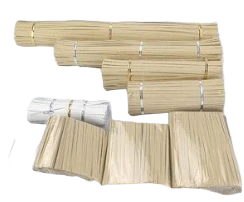
No. Similar paper surfaces can belong to different constructions. Specify whether the cord contains wire or any other core, and distinguish plain paper rope from paper-covered twist ties in the quotation.
Can I order paper rope in cut lengths?
Request cut length, tolerance, quantity and packing as quotation requirements. The current paper rope catalog confirms rolls; a cutting service, minimum quantity and commercial terms must be agreed for the selected order.
Does a natural kraft appearance prove environmental certification?
No. Appearance identifies neither the complete material composition nor a verified environmental claim. Request evidence tied to the specific finished product and the claim intended for the destination market.
Information sources and scope
This guide combines NF catalog information with product-specific references. Other manufacturers’ examples describe their own products and do not establish an NF rating. Final dimensions, material grade and acceptance requirements must match the quoted configuration.
- NF paper rope catalog and selected product configuration — NF catalog page 23 and the selected paper rope configuration: catalog range and individual listing options have different scopes.
- NF product catalog, page 23 — Internal catalog reference for the paper rope family; used as supplier scope evidence, not independent performance testing.
- Lottini — Wired Paper Twine — Primary manufacturer page distinguishes paper twine with and without iron core and lists spool supply. Used only to explain why construction must be specified; no material or performance properties transferred to NF.
Explore the products
Discuss your next order
Share your specification, sample needs and destination. MOQ, lead time and documentation are confirmed in the quotation.
Get a Quote ↗